
When it comes to lungs, most people don’t think twice—until something goes wrong. Enter COPD, a condition that turns those trusty air sacs into a less-than-stellar version of themselves. Imagine your lungs as a pair of party balloons: normal lungs are vibrant and ready to dance, while COPD lungs resemble those sad, deflated balloons that just won’t float.
Understanding the stark differences between COPD lungs and normal lungs isn’t just for medical professionals; it’s essential for anyone who wants to breathe easy. The contrast is as clear as day, and knowing what’s at stake can inspire better choices. So, let’s dive into the fascinating world of lung health, where the stakes are high and the air quality matters more than ever. After all, who wouldn’t want to keep their lungs in tip-top shape?
Overview of COPD
Chronic Obstructive Pulmonary Disease, or COPD, encompasses a range of progressive lung diseases, including emphysema and chronic bronchitis. This condition primarily stems from long-term exposure to harmful substances like cigarette smoke and air pollution. Excessive inflammation occurs in the lungs, leading to narrowed airways that significantly impede airflow.
Symptoms of COPD include chronic cough, shortness of breath, and wheezing. These signs often become more pronounced during physical exertion or exposure to irritants. As the disease advances, individuals may experience more severe limitations in daily activities due to decreased lung function.
COPD affects the air sacs in the lungs, known as alveoli. In individuals with healthy lungs, these alveoli remain elastic, allowing easy gas exchange. In contrast, COPD-affected lungs exhibit damaged alveoli, which lose their elasticity and become less effective at transferring oxygen into the bloodstream.
Lung function assessments, such as spirometry, help diagnose COPD. By measuring airflow and lung capacity, healthcare providers can determine the severity of the disease. Early intervention proves crucial for managing symptoms and slowing disease progression.
Treatment options for COPD include bronchodilators, corticosteroids, and pulmonary rehabilitation. These therapies aim to alleviate symptoms, enhance lung function, and improve the patients’ quality of life. In addition to medical interventions, lifestyle changes play a vital role. Quitting smoking and avoiding pollutants are essential steps in managing this chronic condition.
Understanding COPD’s impact on lung health empowers individuals to prioritize their respiratory well-being. Recognizing the differences between healthy and COPD-affected lungs encourages proactive measures for maintaining optimal lung function.
Anatomy of Normal Lungs
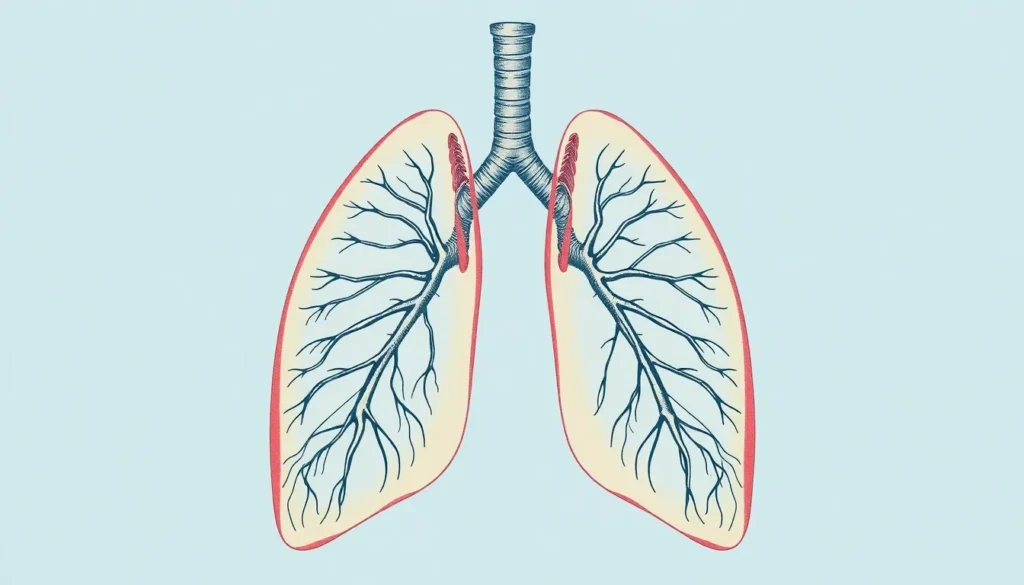
Normal lungs play a vital role in respiratory health. Their intricate structure and efficient function contribute to optimal gas exchange.
Structure and Function
Normal lungs consist of multiple sections, including the trachea, bronchi, and alveoli. Each component serves a specific role in respiration. The trachea branches into bronchi, which further divide into smaller bronchioles. Alveoli, tiny air sacs, provide a large surface area for gas exchange. This structure supports the lungs’ ability to deliver oxygen to the bloodstream. Coupled with the diaphragm and intercostal muscles, they enable effective inhalation and exhalation. Lung elasticity allows expansion and contraction during breathing. Overall, these features ensure that normal lungs function efficiently.
Gas Exchange Process
Gas exchange occurs primarily in the alveoli. Oxygen enters the bloodstream while carbon dioxide is expelled. This process begins when air reaches the alveoli during inhalation. Alveolar walls are extremely thin, allowing oxygen to diffuse into surrounding capillaries. Carbon dioxide follows the opposite route, moving from blood into the alveoli for exhalation. The efficiency of this exchange significantly contributes to overall health. Proper gas exchange sustains cellular function by supplying oxygen for metabolic processes. Normal lung anatomy facilitates this critical function, ensuring the body receives the necessary oxygen to thrive.
Anatomy of COPD Lungs
COPD lungs exhibit distinct anatomical features compared to normal lungs. Understanding these differences highlights the impact of the disease on respiratory function.
Structural Changes
COPD leads to significant structural changes in the lungs. Alveoli lose elasticity and become enlarged, forming what are known as bullae. Airways narrow due to inflammation and mucus production, which obstructs airflow. The underlying lung tissue undergoes destruction, making it less resilient. Structural deterioration causes difficulty in breathing and limits physical activity. Over time, chronic bronchitis further complicates this structure by thickening airway walls, leading to increased resistance. These changes underscore the importance of early detection and intervention in managing lung health.
Impaired Gas Exchange
Impaired gas exchange is a hallmark of COPD. Alveolar damage significantly reduces the surface area available for oxygen and carbon dioxide exchange. Inflammation narrows the airways, hindering airflow into and out of the lungs. As a result, oxygen saturation in the blood often drops, leading to feelings of breathlessness. Carbon dioxide retention may occur, causing respiratory acidosis. Effective gas exchange is crucial for cellular metabolism and energy production. Recognizing the severity of these impairments informs treatment strategies aimed at improving lung function and quality of life.
Key Differences Between COPD Lungs and Normal Lungs
Understanding the distinctions between COPD lungs and normal lungs highlights the impact of the disease on respiratory health.
Inflammation and Mucus Production
Inflammation characterizes COPD lungs, resulting in swollen air passages and excess mucus production. Airway inflammation causes chronic bronchitis, where mucus obstructs airflow. Normal lungs maintain clear, unobstructed pathways, allowing for easy breathing. The presence of mucoid secretions in COPD can trigger frequent coughing and persistent discomfort. Healthy lungs usually produce minimal mucus, ensuring efficient gas exchange. Elevated levels of mucus in COPD exacerbate symptoms, complicating lung function and reducing oxygen intake.
Breathing Difficulties
Breathing difficulties become significant in individuals with COPD. COPD greatly narrows airways, limiting airflow during exhalation. Normal lungs facilitate unobstructed airflow, allowing oxygen to enter and carbon dioxide to exit effortlessly. Patients may experience shortness of breath during daily activities, unlike individuals with healthy lungs who maintain stamina with minimal effort. Increased respiratory effort becomes necessary as COPD progresses, leading to fatigue and reduced physical capabilities. Recognizing these differences emphasizes the urgency of managing COPD to improve patients’ quality of life.
Impact on Daily Life
COPD significantly impacts daily life, influencing activities and overall well-being. Breathing difficulties often lead to restrictions in physical exertion, making simple tasks exhausting. Individuals might experience shortness of breath while walking or climbing stairs, which can discourage them from participating in social activities.
Daily routines may require careful planning due to the unpredictability of symptoms. Engaging in exercise becomes challenging, yet physical activity remains essential for lung health. Therapy programs and pulmonary rehabilitation can help maintain some activity levels, but commitment is crucial for success.
Interpersonal relationships often suffer as individuals cope with COPD’s limitations. Friends and family might not fully grasp the struggle, leading to misunderstandings. Open communication about symptoms fosters support and connection, encouraging loved ones to assist during challenging times.
Managing medications is another daily hurdle. Patients rely on bronchodilators and corticosteroids to alleviate symptoms, necessitating adherence to strict schedules. This responsibility can overwhelm some individuals, so organizing medication in pillboxes or using reminders serves as helpful strategies.
Mental health considerations play a vital role in coping with COPD. Depression and anxiety frequently accompany the physical toll of the disease. Seeking counseling or joining support groups can provide essential coping mechanisms and promote emotional well-being.
Understanding the impact of COPD is crucial for navigating daily life effectively. By acknowledging limitations and actively pursuing strategies for management, individuals can enhance their quality of life significantly. Prioritizing lung health remains key to maintaining independence and enjoying daily activities despite the challenges of COPD.
Understanding the differences between COPD lungs and normal lungs is essential for anyone concerned about respiratory health. The structural changes in COPD lungs significantly impact breathing and overall well-being. By recognizing these differences individuals can take proactive steps to improve their lung health and quality of life.
Prioritizing lung health through lifestyle changes and medical interventions can make a substantial difference. With early diagnosis and effective management strategies individuals facing COPD can navigate daily challenges more effectively. Emphasizing awareness and education around lung health empowers everyone to make informed choices that promote better respiratory function and enhance daily living.