
In the world of culinary delights, few things spark curiosity quite like “wadh.” This intriguing term might sound like a spell from a cooking wizard, but it’s actually a delicious journey waiting to unfold. Imagine a dish that dances on your taste buds and leaves you craving for more. If that doesn’t tickle your palate, what will?
Wadh isn’t just food; it’s an experience. It’s the kind of dish that’ll make you rethink your dinner plans and question your loyalty to takeout. With its rich flavors and cultural significance, wadh is more than a meal—it’s a celebration. So buckle up and get ready to dive into the world of wadh, where flavor meets fun, and every bite tells a story.
Understanding Wadh
Wadh embodies a rich culinary tradition that combines exquisite flavors and cultural narratives in a single dish. Exploring wadh reveals its diverse meanings and historical significance.
Definition of Wadh
Wadh refers to a culinary preparation often featuring fragrant spices and varied ingredients. This dish typically includes combinations of meat, vegetables, or lentils, cooked together to create a harmonious blend of flavors. Many cultures interpret wadh differently, showcasing regional variations. Such interpretations highlight local customs and ingredient availability, enriching the dining experience. Chef communities often emphasize wadh’s role in communal meals, providing nourishment and fostering togetherness.
Historical Context
Wadh originates from ancient culinary practices prevalent in various cultures. Contextual evidence suggests that wadh has roots in both Middle Eastern and South Asian cuisines, where it developed into a savory staple. Trade routes played a significant role in spreading wadh and inspiring adaptations across regions. Historical records indicate wadh’s presence in royal kitchens, marking it as a dish for special occasions. Over time, wadh transformed from royal fare to everyday meals, reflecting shifts in societal norms and culinary trends.
Cultural Significance of Wadh

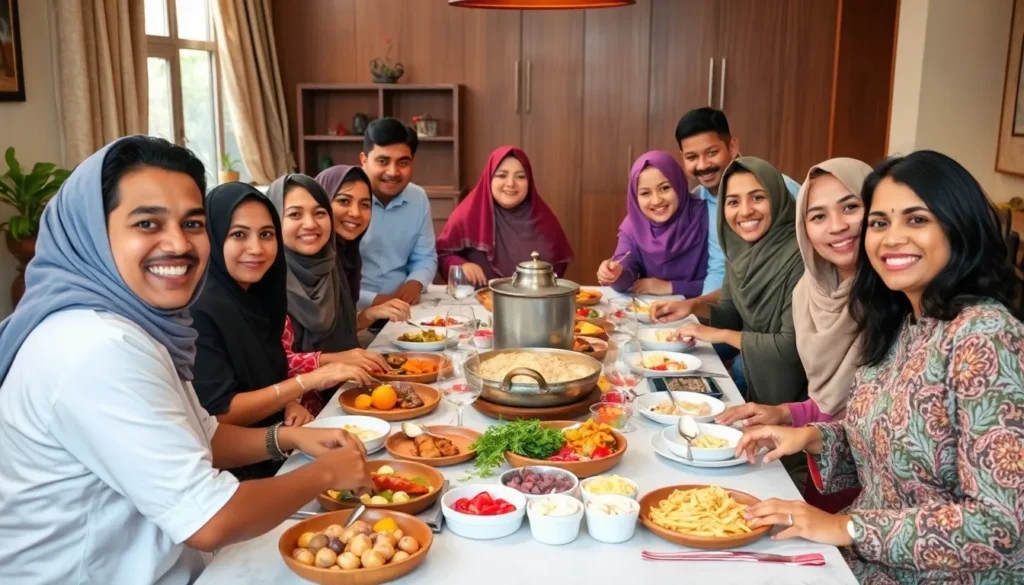
Wadh holds profound cultural importance, reflecting the heritage of the regions it originates from.
Wadh in Traditional Practices
In many cultures, wadh plays a central role during festive gatherings and ceremonies. Celebrations incorporate this dish, emphasizing togetherness and the sharing of meals among family and friends. Traditional preparations vary by region, showcasing local spices and ingredients. Communities often pass recipes down through generations, enhancing their bond and preserving culinary history. Events like weddings and religious festivals prominently feature wadh, highlighting its status as a symbol of hospitality.
Modern Interpretations of Wadh
Contemporary chefs reinterpret wadh, infusing modern techniques and global flavors. Innovative variations appear on menus, reflecting diverse culinary influences while retaining the essence of traditional wadh. Individuals often create plant-based versions, catering to dietary preferences while preserving rich flavor profiles. Social media promotes these creative adaptations, encouraging home cooks to experiment with this dish. Modern interpretations maintain the communal spirit of wadh, encouraging gatherings and shared experiences around the dining table.
Wadh in Different Regions
Wadh showcases diverse expressions, reflecting the unique culinary traditions of various regions. It serves as a bridge between cultures, emphasizing both its versatility and deep roots.
Wadh Across Cultures
Wadh resonates in numerous cultures, each incorporating local ingredients and cooking techniques. In Middle Eastern countries, spices like saffron and sumac create aromatic blends. South Asian variations often highlight ingredients such as basmati rice and lentils, offering a distinct flavor profile. Similarly, African adaptations introduce unique vegetables and spices, creating exciting culinary fusions. Each culture not only preserves age-old recipes but also embraces innovation, making wadh a beloved dish on many tables.
Regional Variations of Wadh
Regional variations of wadh highlight the local taste preferences and available resources. In North India, wadh often features richer gravies with a focus on meat, while southern adaptations might emphasize coconut and seafood. Central Asia presents wadh with hearty ingredients like root vegetables and grains, catering to the region’s climate. Latin American interpretations introduce elements like corn and beans, showcasing the adaptive nature of this dish. Each variation illustrates the creativity and regional identity tied to wadh, inviting food lovers to experience its many forms.
Benefits of Wadh
Wadh offers a multitude of benefits that extend beyond its delicious taste. This culinary experience fosters both psychological and social advantages, enriching lives and communities.
Psychological Benefits
Engaging with wadh brings mental relaxation and joy. Tasting familiar flavors triggers positive memories and emotional connections. Preparing wadh can serve as a therapeutic activity, allowing individuals to express creativity in the kitchen. The vibrant colors and aromatic spices stimulate the senses, promoting mindfulness during the cooking process. Sharing wadh promotes feelings of satisfaction and happiness, creating a sense of contentment. Enjoying meals featuring wadh encourages a moment of pause, leading to greater appreciation for food and cultural traditions.
Social Benefits
Gathering around a meal of wadh nurtures relationships and strengthens bonds. Regularly enjoying wadh fosters community spirit, as friends and family come together to savor its rich flavors. Celebrations featuring wadh often create lasting memories, marking special occasions with warmth and love. This dish serves as a centerpiece during festivals and gatherings, emphasizing hospitality and togetherness. Sharing recipes across generations enriches family history and promotes culinary knowledge. Wadh encourages conversations at the dining table, enhancing connections between individuals.